Showtime Syndrome: How an Audience Turns Your Calculated Bets Into Pure Spectacle
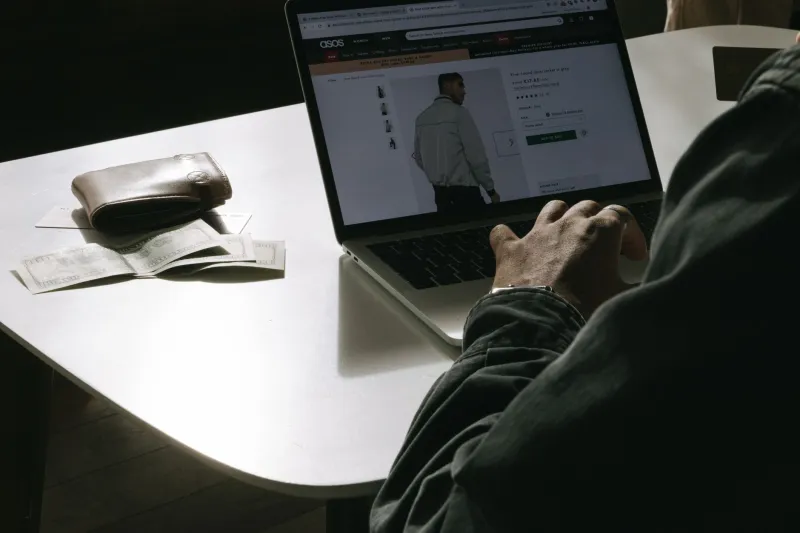
When the Camera Goes On, the Discipline Goes Off
There's a version of you that bets smart. Studies the lines, manages the bankroll, walks away from bad value. Then there's the version of you that exists the second someone leans over your shoulder or tunes into your stream — and that version is reckless in ways you won't fully appreciate until the session is over.
This isn't a character flaw. It's wiring. And if you're betting on platforms with spectator modes, sharing screens with friends, or broadcasting live on Twitch while you play at Jun88 Arena, you need to understand what's actually happening inside your head before it costs you serious money.
The Neuroscience of Playing to the Crowd
Psychologists call it social facilitation — the measurable change in performance that occurs when people believe they're being observed. The original research goes back over a century, but modern neuroscience has added a layer that's directly relevant to bettors: audience presence triggers a spike in dopamine and cortisol simultaneously.
Dopamine pushes you toward reward-seeking behavior. Cortisol narrows your cognitive bandwidth. Put them together and you get someone who desperately wants to win and has fewer mental resources available to make that happen.
What does this look like at the betting table? Bigger wagers than your bankroll plan allows. Parlays you'd never touch in private. Skipping the research phase because hesitation looks bad. In short, you start optimizing for appearing bold rather than being strategically sound.
The arena environment amplifies this hard. At Jun88 Arena, where competitive energy is baked into the platform's DNA, that audience pressure doesn't just come from people physically in the room. It comes from leaderboards, shared bet slips, and the subtle awareness that your moves exist in a social context.
The Approval Loop Nobody Talks About
Here's what makes this particularly tricky: the feedback loop rewards reckless behavior in the short term. You throw out a bold five-team parlay while streaming. It hits. The chat erupts. Your brain logs that as confirmation that big, showy bets are the right call — not as the statistical fluke it almost certainly was.
Conversely, when you make the disciplined, low-margin play that represents genuine edge, and it loses, the audience doesn't see the quality of the decision. They see the outcome. So you get socially punished for smart betting and socially rewarded for gambling theater. Over time, that shapes your behavior in ways you won't consciously notice.
This is the approval loop: you're no longer betting to win money. You're betting to win the room.
Solo vs. Observed: What the Data Actually Shows
Studies on sports bettors and casino players consistently show that bet sizing increases 15–40% when subjects believe they're being watched. More interesting: the type of bet changes. Observed bettors gravitate toward high-variance, high-payout options — not because the expected value improves, but because those bets generate more social reaction.
In a practical sense, this means that your average bet when you're alone at midnight is a fundamentally different financial decision than your average bet when three friends are watching your screen on a Saturday afternoon. Same bankroll, same platform, same games — wildly different risk profile.
That gap is what's costing you.
How to Protect Your Game Regardless of Who's Watching
Set your limits before the audience arrives. Before you stream, before your buddy pulls up a chair, before you share your screen — decide your session limits, your max bet size, and your exit conditions. Write them down if you have to. The goal is to make those decisions when your brain is operating without social pressure, then treat them as non-negotiable once the audience shows up.
Build a pre-bet checklist. Force yourself through a brief mental checklist before placing any wager: Does this fit my bankroll plan? Would I make this bet if no one were watching? Is this decision driven by value or by wanting to look confident? It sounds simple, but the physical act of pausing breaks the impulsive approval-seeking loop.
Treat your stream persona as separate from your betting persona. The most sustainable approach for streamers and social bettors is to be transparent about your process, not your bravado. Share your reasoning, your research, your discipline — not just the big swings. This retrains your audience to reward smart play, and it retrains your brain to stop performing.
Use the 'empty room' mental reset. Before placing any bet during an observed session, take ten seconds to imagine you're completely alone. No one watching, no chat to impress, no leaderboard to climb. Ask yourself: would I still make this bet? If the honest answer is no, that's your signal.
Debrief after observed sessions. Compare your average bet size, your win rate, and your bet type distribution between solo sessions and observed ones. If the numbers diverge significantly, you've got hard evidence that the audience effect is real in your game — and you can start working on closing that gap.
The Arena Is Watching — But You're Playing for Yourself
Jun88 Arena is built around competition and community. That's part of what makes it compelling. But the best players here have figured out something that separates them from the crowd: the arena energy is fuel, not a script. You can absorb the competitive atmosphere without letting it dictate your decisions.
Play bold because the math supports it. Not because someone's watching.
The moment you can make the same calculated, disciplined bet whether you're alone in your apartment at 2 a.m. or streaming to five hundred people — that's when you've actually got your game under control. Everything before that is just performance.