Hot Hand, Cold Reality: How Your Best Month at the Betting Table Could Be Quietly Wrecking You
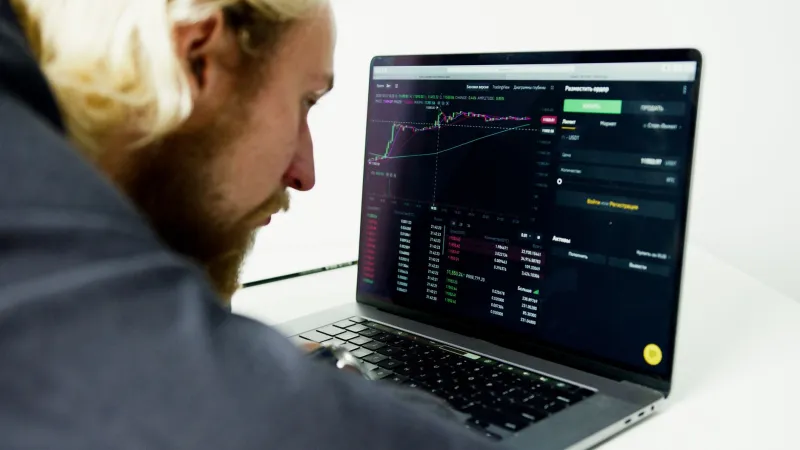
Let's paint a picture. You just closed out the best four weeks of your betting life. The parlays hit. The spreads were butter. Your casino sessions turned green almost every time you logged into Jun88 Arena. You're up more than you've ever been, and somewhere in the back of your mind, a very convincing voice is saying: You figured it out.
That voice is the most dangerous thing in online gaming. Not bad luck. Not a cold streak. That voice — the one whispering that your recent results prove you've leveled up — is what quietly dismantles bankrolls that took years to build.
This is the variance trap. And it doesn't care how smart you are.
What Variance Actually Means (And Why Most Bettors Get It Wrong)
Variance is the statistical reality that outcomes in any game of chance — or even skill-based betting — will cluster in ways that look meaningful but often aren't. In plain English: sometimes you run hot, sometimes you run cold, and neither run necessarily tells you anything useful about your actual edge.
The math here is brutal in its honesty. Even a bettor with a genuine, consistent edge over the house or the sportsbook will experience extended winning streaks that have nothing to do with skill improvement. Flip a fair coin enough times and you'll hit 10 heads in a row eventually. Does that mean the coin changed? Obviously not. But your brain — specifically the pattern-recognition machinery that kept your ancestors alive on the savanna — absolutely insists on treating it like something shifted.
In a high-variance environment like sports betting or casino play, a single month of results is statistically close to meaningless as a performance signal. Yet that's exactly the window most bettors use to evaluate themselves.
The Brain Glitch That Makes Hot Streaks Feel Like Skill
There's a well-documented cognitive phenomenon called the hot hand fallacy — the belief that a player or bettor who has experienced recent success has a higher probability of continued success. Sports fans know this one. It's why everyone insists a shooter who just hit three straight threes is "feeling it." The data consistently shows this belief is mostly wrong, yet it persists because our brains are wired to find patterns, even in randomness.
When you're on a heater at the Arena, dopamine is flooding your system. Your confidence spikes. Your risk tolerance quietly expands. You start sizing up your bets because, hey, you're clearly playing better than you were two months ago, right? This is the exact moment the trap snaps shut.
What's actually happening is a process called results-oriented thinking — judging the quality of your decisions based on outcomes rather than process. A good bet that loses is still a good bet. A reckless bet that wins is still reckless. But after a hot month, your brain starts retroactively labeling a lot of reckless bets as good ones, because they won. And that's how you end up increasing your exposure right before variance corrects itself.
The Correction Nobody Talks About
Here's the part that stings: variance doesn't just mean you'll have cold streaks mixed in with hot ones. It means that after an abnormally good run, regression toward the mean is statistically likely. Not guaranteed on any specific timeline, but likely. The higher you've climbed above your actual expected performance, the more ground there is to fall.
The bettor who just had their best month ever and responds by doubling their unit size is essentially loading up on risk at the worst possible statistical moment. They're buying high. And the market — whether it's a sportsbook line or a blackjack shoe — doesn't care about their feelings.
This is why some of the most catastrophic bankroll collapses don't follow a brutal losing streak. They follow a brilliant winning one.
How to Actually Tell If You've Improved
So how do you distinguish real skill growth from variance noise? A few frameworks that actually hold up:
Track process, not just outcomes. After every session, log why you made each decision, not just what happened. Did you follow your pre-set staking rules? Did you bet only in spots where your research gave you a clear edge? If your process is improving, that's a real signal. If you just got lucky on three late-game spreads, that's not.
Give it a sample size that matters. One month is noise. Three months starts to become a signal. Six months is worth paying attention to. If your win rate and ROI are trending positively over a genuinely large sample, you might have something. If you're extrapolating from four weeks, you're guessing.
Stress-test your confidence. Ask yourself: if I had this exact same month but with the outcomes reversed — same decisions, same reasoning — would I still feel like I improved? If the answer is no, your confidence is riding on results, not process.
Keep your unit size anchored to your bankroll, not your recent results. This is the simplest and most powerful protection against the variance trap. If you're betting 2% of your bankroll per unit, that number should move only when your total bankroll changes significantly — not because you had a sick week.
Playing Bold Doesn't Mean Playing Blind
At Jun88 Arena, the whole ethos is about playing bold — taking the shot, backing your read, leaning into the competition. That's real, and it's what separates the players who actually enjoy this from the ones who treat betting like a math homework assignment.
But bold isn't the same as reckless. The sharpest players here know the difference between a well-reasoned aggressive bet and a bet that only feels smart because the last five went their way. One is strategy. The other is a trap wearing a winning streak's clothing.
Your best month should do one thing: give you data to analyze calmly. Not permission to go bigger. Not proof that you've arrived. Data. Look at it honestly, separate the process wins from the outcome wins, and make adjustments that would hold up even if the results had been different.
The Takeaway
Variance is always in the room. It was there during your worst stretch, and it was absolutely there during your best one. The bettors who last — the ones who build real, sustainable edges over time — are the ones who respect that reality even when the numbers are screaming otherwise.
Your hot streak isn't the finish line. It's a test. Pass it by staying grounded, keeping your process clean, and refusing to let a good month write checks your bankroll can't cash when the math corrects itself.
The arena rewards the bold. It punishes the overconfident. Know the difference.